Over the years, I’ve come to learn that a formal dress is more than just an article of apparel—it’s a statement. The appropriate dress may drastically change your confidence and sense of style, whether it’s for a wedding, gala, or business function. As fashion evolves, 2026 is shaping up to be an exciting year for women’s formal wear, blending timeless elegance with modern innovation. I’ve been keeping a careful eye on the trends, and I’m eager to share all I’ve discovered about women’s formal dresses in 2026. What Are Formal Dresses? Let’s start with the basics. Any clothing intended for special events where sophistication and elegance are required is considered a formal dress. Consider black-tie events, office parties, weddings, galas, and award ceremonies. Unlike casual or semi-formal wear, formal dresses are often crafted from high-quality materials and designed to make an impression. From flowing evening gowns to sleek cocktail dresses, formal attire can vary widely. Understanding the nature of the event and choosing an outfit appropriate for it are crucial. Over time, I’ve learned that knowing your dress code upfront saves a lot of stress—and ensures you look effortlessly Refined. Keywords: types of formal dresses, women’s formal dresses, formal attire for events Top Trends in Formal Dresses for Women in 2026 Fashion trends are constantly evolving, and 2026 is no exception. Here’s what’s hot this year: Silhouettes That Shine A-line dresses continue to dominate, offering a universally flattering shape. Mermaid and sheath silhouettes are perfect for making a bold, elegant statement, while empire waist designs add a touch of vintage charm. Personally, I love experimenting with asymmetrical hemlines—they feel modern yet timeless. Fabrics That Feel Luxurious Satin, silk, and organza remain classic favorites, giving formal dresses that signature drape and shine. What’s exciting for 2026 is the rise of sustainable materials, like organic cotton blends and recycled fabrics, making your dress choices more eco-conscious. Colors and Prints Pastels and jewel tones are big this year, adding sophistication without overpowering. Metallics and subtle prints are also trending, perfect for evening events where a little shimmer goes a long way. For me, experimenting with colors has become one of the most fun parts of formal dressing—it’s all about finding a shade that feels like “you.” Keywords: 2026 formal dress trends, women’s evening dresses, & fashionable formal dresses Must-Have Styles and Designs 2026 formal dresses are all about combining classic elegance with subtle statement details. I love pairing minimal dresses with bold accessories or choosing embellished pieces as the focal point of my outfit. The key is balance—let your dress shine while complementing it with subtle styling. Keywords: stylish formal dresses, modern formal wear, 2026 dress designs Choosing the Right Dress for Your Body Type Finding the perfect formal dress isn’t just about following trends—it’s about flattering your unique body type. I’ve learned that experimenting with different silhouettes is key. Trying on a variety of styles allows you to find what feels comfortable and highlights your best features. Keywords: formal dresses for body types, women’s dress styling tips, perfect fit dresses Accessories and Styling Tips for 2026 Formal Dresses Accessories can make or break a formal outfit. Here’s how I like to style my dresses in 2026: For me, these finishing touches are where I get creative. The right accessories can take a dress from formal to unforgettable. Keywords: formal dress styling tips, accessories for formal dresses, 2026 fashion tips Sustainable and Ethical Formal Dresses One of the most exciting aspects of 2026 fashion is the focus on sustainability and ethics. More designers are using eco-friendly fabrics like recycled polyester, organic cotton, and Tencel. Ethical production practices are becoming a priority, and I love knowing that my choices support brands that care about people and the planet. When shopping, I always check for certifications like GOTS or Fair Trade and research the brand’s transparency. Choosing sustainable formal wear is not just stylish—it’s responsible. Keywords: sustainable formal dresses, ethical fashion 2026, eco-friendly evening gowns Where to Shop Formal Dresses in 2026 Finding the right dress can feel overwhelming, but there are plenty of options online and offline. I’ve found that combining online research with in-store trials ensures you get both convenience and the perfect fit. Keywords: best stores for formal dresses, 2026 women’s formal wear, online formal dress shopping Conclusion 2026 is shaping up to be an exciting year for formal dresses for women. From timeless silhouettes and luxurious fabrics to sustainable and ethical options, there’s something for every style and occasion. By paying attention to trends, understanding your body type, and incorporating thoughtful styling, you can create a wardrobe that is both chic and conscious. I encourage you to invest in pieces that make you feel confident, reflect your personality, and last for years to come. Explore the latest formal dresses for women in 2026 and elevate your wardrobe today—it’s a choice that combines style, sophistication, and sustainability.
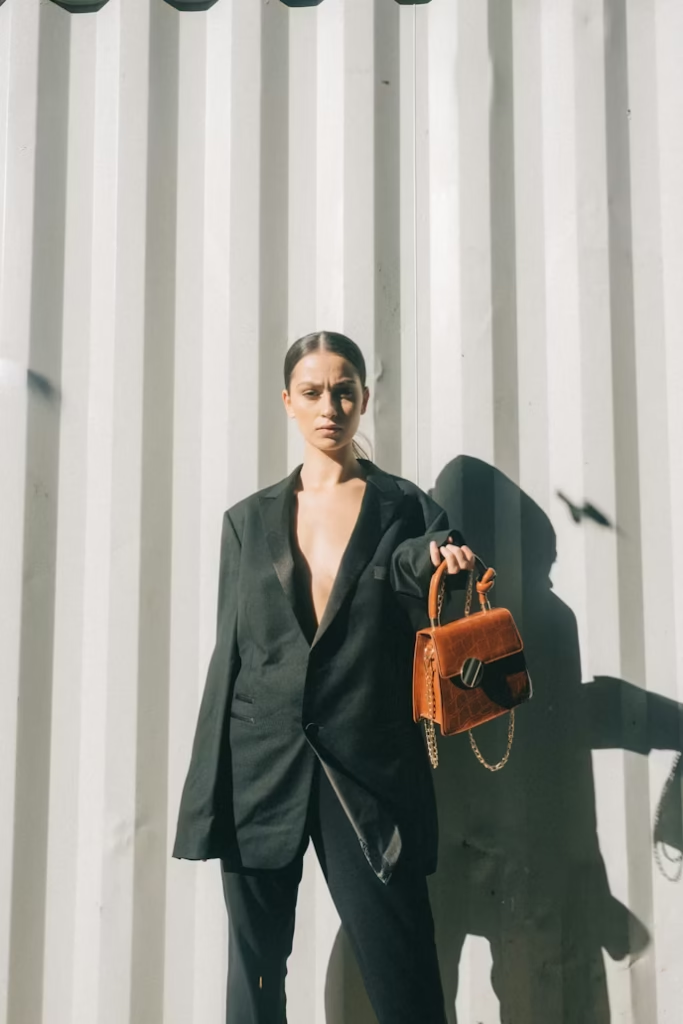
When I first started learning about the fashion industry, I was honestly shocked at how fast fashion dominates our closets. Trend after trend, cheap clothes flooding the market, and mountains of textile waste piling up—it all felt overwhelming. That’s when I discovered slow fashion brands, and it completely changed the way I shop and think about style. If you’ve ever wondered what it means to dress consciously while still looking stylish, this guide is for you. What Are Slow Fashion Brands? Slow fashion is fundamentally the reverse of quick fashion. Instead of chasing trends and mass-producing cheap clothing, slow fashion focuses on sustainability, quality, and ethical practices. A slow fashion brand prioritizes longevity over quantity, making clothes that are built to last and designed to be timeless rather than disposable. Key principles of slow fashion include: Unlike fast fashion brands that pump out thousands of items at lightning speed, slow fashion brands are intentional. They focus on fewer, better-made pieces that respect both people and the planet. Why Slow Fashion Matters I used to buy clothing almost on impulse, drawn to flashy deals and trends. Over time, I realized the hidden costs of fast fashion: environmental degradation, poor labor conditions, and mountains of discarded clothing. Slow fashion addresses all of these issues. Environmental Impact Fast fashion contributes heavily to pollution, water waste, and greenhouse gas emissions. By choosing slow fashion brands, I feel like I’m making a small but meaningful impact—less waste, fewer chemicals, and a reduced carbon footprint. Social and Ethical Responsibility Fair pay and secure working conditions are guaranteed by numerous slow fashion firms. . Supporting these brands isn’t just about saving the planet; it’s about supporting people too. When I buy from a slow fashion brand, I know my money is helping someone earn a fair living rather than exploiting workers. Benefits of Investing in Quality Pieces Slow fashion may seem more expensive at first, but the investment is worthwhile. High-quality clothing lasts longer, feels better to wear, and often looks more stylish over time. I’ve learned that owning fewer, well-made pieces gives me more satisfaction than owning a closet full of cheap, short-lived items. Key Characteristics of Slow Fashion Brands When I shop for slow fashion, there are a few things I always look for: These characteristics are not just buzzwords—they’re what separate true slow fashion brands from companies that are just trying to look “eco-friendly” without doing the work. Popular Slow Fashion Brands to Watch Over time, I’ve discovered some amazing slow fashion brands that are worth checking out. Here are a few that stand out: These brands prove that you can look stylish, feel good, and make ethical choices all at once. How to Identify a True Slow Fashion Brand Not all brands that make sustainability claims are truly sustainable. I’ve learned to be cautious and look for clear signs: Doing a little research before buying has helped me avoid supporting brands that just appear ethical but aren’t genuinely making an impact. Advice for Including Slow Fashion in Your Clothes Adopting slow fashion isn’t just about buying from the right brands—it’s also about how you shop and care for your clothes. Here’s what I’ve found works best: These small changes have made my wardrobe more sustainable, stylish, and personal. The Future of Slow Fashion I genuinely believe slow fashion is the future. As more people become aware of the environmental and social impact of their clothing choices, conscious consumerism is growing rapidly. Emerging Trends It’s exciting to see slow fashion shaping the industry. More brands are moving toward ethical, eco-friendly practices, and as consumers, we have the power to support this shift. Conclusion Switching to slow fashion brands has been transformative for me. Not only do I feel better about my purchases, but my wardrobe is also more intentional, stylish, and long-lasting. By choosing slow fashion, we’re voting with our wallets for sustainability, ethical labor, and quality over quantity. Start small if you’re prepared to make a change: look at slow fashion brands right now and adopt a wardrobe that expresses your ideals and sense of style.Trust me—it’s a choice that makes a difference for you and the planet.
Introduction Over the last few years, I’ve started paying closer attention to what I wear—not just how it looks, but where it comes from and how it’s made. That curiosity led me to the world of sustainable ethical clothing brands, and honestly, once you start learning about it, there’s no going back. Sustainable ethical clothing is about more than trends or aesthetics. It’s about choosing fashion that respects people, the planet, and the future. As fast fashion continues to dominate wardrobes worldwide, there’s also a powerful shift happening—conscious consumerism. More people are asking questions, demanding transparency, and supporting brands that care. In this guide, I’ll break down what sustainable ethical clothing really means, why it matters today, and how we as consumers can make better fashion choices without compromising on style. What Does Sustainable & Ethical Clothing Mean? Although the terms are often used together, sustainable fashion and ethical fashion aren’t exactly the same. Sustainable fashion focuses on the environmental impact of clothing—how fabrics are sourced, how much water and energy are used, and how waste is managed. Ethical fashion, on the other hand, centers on people—fair wages, safe working conditions, and respect for artisans and garment workers. Fast fashion has caused massive environmental damage. From water pollution due to toxic dyes to overflowing landfills filled with discarded clothes, the cost of cheap fashion is extremely high. On the ethical side, underpaid labor, unsafe factories, and exploitation remain major issues. Sustainable ethical clothing combines both worlds—fashion that is kind to the earth and fair to the people who make it. Key Principles of Sustainable Ethical Clothing Brands Most genuine sustainable ethical clothing brands follow a few core principles: Eco-Friendly Materials They prioritize fabrics like organic cotton, linen, hemp, bamboo, and TENCEL™, which require less water, fewer chemicals, and have a lower environmental footprint. Fair Wages & Ethical Labor Workers are paid fairly and operate in safe, respectful environments. Many brands partner directly with artisans or cooperatives. Low-Impact Dyes & Non-Toxic Processes Instead of harsh chemical dyes, these brands use natural or low-impact dyes that are safer for both skin and the environment. Zero-Waste & Slow Fashion Approach Small-batch production, made-to-order pieces, and minimal waste patterns help reduce overproduction. Transparent Supply Chains True sustainable ethical clothing brands are open about where and how their clothes are made—no secrets, no greenwashing. Why Choose Sustainable Ethical Clothing Brands? Switching to sustainable, ethical clothing isn’t just a moral decision—it has real benefits. Environmental Benefits Less water usage, fewer chemicals, reduced carbon emissions, and less textile waste mean a healthier planet. Benefits for Workers & Artisans Ethical brands uplift communities, preserve traditional skills, and ensure dignity for workers. Better Quality & Longevity Unlike fast fashion, sustainable ethical clothing is designed to last. Higher quality fabrics mean fewer replacements. Health Benefits Chemical-free fabrics are gentler on the skin and reduce exposure to toxins—something I personally appreciate. How to Identify a Truly Sustainable Ethical Clothing Brand Not every brand claiming sustainability actually practices it. Here’s how I filter the real ones from the rest. Certifications to Look For Watch Out for Greenwashing Red flags include ambiguous phrases like “eco-friendly” that lack evidence or clarity.Check Brand Transparency Do they share details about factories, materials, and wages? Transparency builds trust. Ask the Right Questions Who made my clothes?Where were they produced?What materials were used? If a brand answers clearly, it’s usually a good sign. Top Sustainable Ethical Clothing Brands to Know Here’s a broad look at how sustainable ethical clothing brands are shaping the industry: Sustainable Ethical Clothing Brands in India India is home to many ethical brands using handloom, organic cotton, and artisan-led production, supporting rural communities and traditional crafts. Global Sustainable Fashion Brands International brands are investing in circular fashion, recycled materials, and carbon-neutral production. Luxury Sustainable Clothing Brands Luxury and sustainability can coexist. Many high-end labels now focus on craftsmanship, durability, and responsible sourcing. Affordable Ethical Clothing Brands Sustainable ethical clothing isn’t always expensive. Several brands offer accessible pricing without compromising values. Sustainable Fabrics Used by Ethical Clothing Brands Fabric choice plays a huge role in sustainability. Organic Cotton vs Conventional Cotton Organic cotton uses significantly less water and no toxic pesticides, making it better for farmers and ecosystems. Linen, Hemp & Natural Fibers These fibers are biodegradable, durable, and breathable—perfect for conscious wardrobes. Recycled & Upcycled Materials Recycled polyester and upcycled fabrics reduce waste and give new life to existing materials. Vegan & Cruelty-Free Alternatives Innovative plant-based leathers and non-animal fabrics are redefining ethical fashion. Role of Slow Fashion in Ethical Clothing Slow fashion is the heart of sustainable ethical clothing. What Is Slow Fashion? It’s about quality over quantity, timeless designs, and thoughtful production. Made-to-Order & Small Batches This reduces excess inventory and textile waste while ensuring exclusivity. Reducing Overconsumption Buying fewer, better pieces helps break the fast fashion cycle. How Sustainable Ethical Clothing Brands Support Artisans One of my favorite aspects of sustainable ethical clothing is its connection to craftsmanship. Handloom & Traditional Techniques To preserve traditional weaving, embroidery, and dying, brands collaborate closely with craftspeople. Empowering Women & Communities Ethical fashion creates stable livelihoods, especially for women in rural areas. Preserving Cultural Heritage Every handcrafted garment tells a story—something mass-produced fashion can’t replicate. Challenges Faced by Sustainable Ethical Clothing Brands Despite their benefits, these brands face real challenges. Higher Production Costs Ethical wages and eco-friendly materials naturally cost more. Limited Scalability Small-batch production makes rapid expansion difficult. Consumer Awareness & Pricing Many consumers still prioritize low prices over long-term value, slowing adoption. How Consumers Can Support Sustainable Ethical Clothing We all play a role in shaping the fashion industry. Buy Less, Choose Better Invest in pieces you truly love and will wear often. Care for Clothes Properly Gentle washing and proper storage extend garment life. Support Local & Independent Brands Shopping local strengthens ethical supply chains. Style Sustainable Fashion Daily Conscious fashion doesn’t mean boring—mix timeless pieces with modern styling. Conclusion Sustainable ethical clothing manufacturers are the key to the future
Formal Dresses: A Complete Guide to Styles, Trends & Styling Tips 1. Introduction Whenever I think about elegance, confidence, and timeless style, formal dresses instantly come to my mind. Whether it’s a wedding, a gala night, a corporate event, or even an award ceremony, formal wear has a special place in fashion. For me, formal dresses are not just clothing—they’re a way to express sophistication and personality while still feeling beautiful and empowered. So, what exactly are formal dresses? They’re outfits designed for events that require a polished, upscale look. Think of flowing evening gowns, sleek cocktail dresses, embellished ball gowns, and stunning maxi dresses. Each carries its own charm, and choosing the right one can completely elevate your presence. People choose formal dresses for many reasons:✔ To match the event’s dress code✔ To feel confident and stylish✔ To celebrate special moments✔ To create a memorable impression In this guide, I’m going to walk you through everything you need to know about formal dresses—from types and fabrics to styling, trends, and choosing the perfect fit. Whether you’re a fashion lover or shopping for an upcoming event, this guide is here to help. 2. What Are Formal Dresses? Formal dresses are clothing pieces designed for occasions that demand elegance and sophistication. Unlike casual or semi-formal outfits, formal dresses emphasize refined styling through luxurious fabrics, structured silhouettes, and thoughtful embellishments. Key Elements of a Formal Dress When I shop for formal dresses, I always consider: Formal vs Semi-Formal vs Casual Understanding this difference makes it easier to pick the right outfit for the occasion. 3. Types of Formal Dresses 3.1 Evening Gowns Evening gowns are my go-to for glamorous events. They’re long, graceful, and often made with rich fabrics like satin or velvet. Best for: 3.2 Cocktail Dresses Cocktail dresses are typically shorter and chic. I love wearing them when I want to look formal but not overly dressed up. Best for: 3.3 Ball Gowns Ball gowns give that dreamy, princess-like feel—full skirts, fitted bodices, and statement silhouettes. Best for: 3.4 Formal Maxi Dresses Maxi dresses are flowy, elegant, and comfortable. They’re versatile enough for both formal and semi-formal occasions. 3.5 A-Line Formal Dresses A-line dresses are universally flattering and one of my favorites when I want something that suits almost any body shape. 3.6 Bodycon / Sheath Dresses These give a modern, sleek look. Perfect for when I want to highlight my curves with elegance. 3.7 Mother-of-the-Bride Formal Dresses These dresses are sophisticated, age-appropriate, and designed to complement the wedding theme. 3.8 Bridesmaid Formal Dresses Matching dresses, coordinated colors, and flattering cuts make these essential in formal weddings. 4. Popular Fabrics Used in Formal Dresses Whenever I choose a formal dress, fabric is my first priority. Here are the most popular options: 5. How to Choose the Right Formal Dress 5.1 Choose Based on Body Type What works for one body type might not work for another, so here’s what I found useful: 5.2 Consider the Occasion Each event has its vibe: 5.3 Consider Color & Skin Tone 5.4 Fit & Comfort A formal dress should feel comfortable throughout the event. Tailoring makes a huge difference—you should feel confident, not restricted. 5.5 Budget Considerations You can always find a stunning dress—whether you prefer designer labels or budget-friendly options. 6. Latest Trends in Formal Dresses Fashion is always evolving, and I love staying updated with trends. Right now, these styles are trending: 7. Styling Tips for Formal Dresses 7.1 Accessories Accessories can completely transform your formal look. 7.2 Shoes Depending on the dress, I choose: 7.3 Makeup & Hair I like matching my glam with the dress: 7.4 Layering Layering adds sophistication: 8. Formal Dresses for Each Season Every season calls for a different vibe: Spring Pastels, florals, chiffon fabrics Summer Light materials like cotton blends, breathable designs Autumn Earthy tones, layered style, long sleeves Winter Velvet, satin, deep colors, embellished gowns 9. Mistakes to Avoid When Choosing Formal Dresses Over the years, I’ve learned what not to do: 10. Best Places to Buy Formal Dresses (Online & Offline) Some of my favorite places include: Renting vs buying depends on how often you wear formal dresses and your budget. 11. Caring for Your Formal Dresses To make formal dresses last longer, I follow these tips: 12. Conclusion Formal dresses will always remain iconic pieces in the fashion world. They bring out elegance, grace, and confidence in the most beautiful way. Whether you’re choosing your first formal dress or adding a new one to your collection, the key is to pick something that reflects you. I hope this guide helps you find the perfect dress for your next special occasion. Remember—wear what makes you feel confident, comfortable, and absolutely stunning. Your perfect formal dress is out there… go find it!
Fashion Blog: A Complete Guide for Beginners & Style Lovers 1. Introduction When I started my fashion blog, I honestly had no idea how much it would influence the way I think, create, and express myself. What was supposed to be a small passion project soon turned into a space where I shared my style, connected with people, and built my personal brand. So, In simple words, it’s an online space where I share everything related to style—outfits, trends, beauty, lifestyle, and sometimes even travel. But today, a fashion blog is so much more. It’s a platform where people build careers, influence fashion culture, and create communities. In today’s digital era, fashion blogging has become a powerful medium. From Instagram to Pinterest, fashion blogs help shape trends, inspire outfits, and give people the confidence to experiment with their personal style. In this guide, I’ll walk you through everything I’ve learned—from understanding what a fashion blog is to starting one, creating content, growing an audience, and monetizing it. Whether you’re a beginner or a fashion lover who wants to start sharing your style, this guide is for you. 2. What Is a Fashion Blog? It is a digital platform where I share ideas, outfits, trends, tips, and personal stories related to fashion. It gives me the freedom to express my creativity and build a community around my style. Definition and Purpose For me, it is like my online wardrobe diary. It holds my inspirations, favorite looks, styling experiences, and everything else I want to share with my audience. The purpose is simple—educate, inspire, and connect with people who love fashion just as much as I do. Different Types of Fashion Blogs Over time, I discovered that it come in many forms: Personal Style Blogs These are blogs where I share my outfits, personal fashion journey, and daily style inspiration. Fashion News & Trends Some bloggers focus on new launches, runway reviews, and global fashion updates. Beauty & Skincare Fashion and beauty go hand in hand. Many blogs include skincare routines, makeup looks, and beauty product reviews. Luxury Fashion These blogs talk about premium brands, designer pieces, and high-end styling. Lifestyle & Travel Some bloggers blend travel, food, and lifestyle with fashion, giving their audience a more holistic experience. 3. Why Start a Fashion Blog? Let me tell you—starting a blog changed my life in so many ways. Creative Expression It gave me a creative outlet where I could experiment with outfits, photography, and writing. Becoming an Influencer Your fashion blog can help you build an online presence and become an influencer in the fashion community. Collaboration Opportunities Brands love working with bloggers who have strong style and storytelling. This leads to PR packages, events, and sponsored posts. Earning Potential Through ads, brand deals, and affiliate marketing, a fashion blog can become a source of income. Building a Personal Brand Your blog becomes your identity. It showcases your style, voice, and personality to the world. 4. How to Start a Fashion Blog (Step-By-Step Guide) Starting a blog might feel overwhelming at first, but trust me—once you break it down, it becomes simple. 4.1 Choose Your Niche Fashion is huge, so choosing the right niche helps you stand out. Some niches include: Pick something that feels authentic to you. 4.2 Select the Right Blogging Platform Platforms I recommend: 4.3 Pick a Domain Name & Hosting Your domain name should be: Branding tip: Choose a name that feels personal but still future-proof. 4.4 Design Your Blog Your blog design should feel like “you.” Here’s what I included: Make sure your theme is clean, mobile-friendly, and fast-loading. 4.5 Essential Tools for Fashion Bloggers Here are the tools I rely on: 5. Content Ideas for Fashion Blogs Whenever I run out of ideas, these always help: 6. How to Write High-Quality Fashion Blog Posts Writing engaging posts is key to keeping readers interested. Crafting Catchy Headlines A good headline grabs attention instantly. Using SEO Keywords Naturally I always make sure my main keyword “fashion blog” flows naturally in the post. Adding High-Quality Images Fashion is visual—clean, bright images matter. Writing in a Personal and Engaging Tone I talk to my readers like I’m talking to a friend. Optimizing Readability Short paragraphs, bullet points, and simple language work best. 7. SEO for Fashion Bloggers SEO helps your fashion blog get discovered on Google. 7.1 Keyword Research Tools I use: Find keywords your audience is searching for. 7.2 On-Page SEO Tips 7.3 Off-Page SEO Tips Backlink Building Get backlinks from fashion magazines, blogs, or guest posts. Guest Posting Write for other blogs to build authority. Social Media Authority Share your content on Instagram and Pinterest. 8. Monetizing Your Fashion Blog Here’s how I earn from my fashion blog: 9. Promoting Your Fashion Blog Promotion is key to growth. 10. Common Mistakes New Fashion Bloggers Make I made most of these mistakes myself: Learning from these helps your blog grow faster. 11. Future of Fashion Blogging Fashion blogging is evolving rapidly. The future is creative and tech-driven. 12. Conclusion Starting my fashion blog has been one of the most rewarding experiences. It helped me express my personal style, build my confidence, and connect with thousands of people who share the same love for fashion. If you’re dreaming of starting your own fashion blog, don’t overthink it. Just begin. Your style, your voice, and your creativity deserve to be seen. So go ahead—start your fashion blog today and let your fashion journey inspire the world!